Surgical Expertise in Small & Large Intestine Surgery- Dr.Suddhasattwa Sen
Dr. Suddhasattwa Sen is a highly skilled and experienced colon & rectal surgeon in India, recognized for excellence in treating colorectal cancer, piles, fissure, fistula, and other rectal disorders. With years of clinical expertise, he is considered a trusted choice for patients seeking advanced colorectal surgery with high success rates.
He specializes in laparoscopic colon surgery and minimally invasive rectal procedures, ensuring less pain, faster recovery, and better outcomes. His approach focuses on accurate diagnosis using colonoscopy, biopsy, and advanced imaging, followed by personalized treatment plans for every patient.
Committed to evidence-based treatment and latest medical advancements, he provides world-class care for patients looking for the best colon cancer treatment and rectal surgery in India, combining expertise.
Dr. Suddhasattwa Sen is widely recognized as a leading colon & rectal surgeon in India, known for delivering excellent outcomes in colorectal cancer, large intestine cancer, piles, fissure, and fistula treatment. His precision-driven approach and advanced surgical expertise ensure successful results even in complex cases.
He specializes in laparoscopic and robotic colorectal surgery, offering minimally invasive treatment, faster recovery, and improved survival rates, including advanced-stage colorectal cancer. From accurate diagnosis using colonoscopy and biopsy to comprehensive surgical care, every treatment is tailored for optimal patient outcomes.
Equipped with modern technology and advanced medical facilities, his center provides affordable colorectal surgery in India with transparent pricing. Patients searching for the best colon cancer treatment, colonoscopy, and rectal surgery can rely on his expertise, innovation, and commitment to high-quality gastrointestinal care.
Dr. Suddhasattwa Sen is known for his advanced expertise in colon & rectal surgery and colorectal cancer treatment in India, offering effective solutions for conditions like colon cancer, rectal cancer, piles, fissure, fistula, and IBD. His commitment to innovation and patient-centered care makes him a trusted choice for complex gastrointestinal treatments.
His center provides comprehensive colorectal cancer treatment, including stage 3 & stage 4 colon cancer treatment, using a combination of advanced laparoscopic/robotic surgery, chemotherapy, and modern therapies. Patients receive personalized treatment plans designed to improve survival rates and recovery outcomes.
With a focus on latest medical advancements, clear patient guidance, and evidence-based care, he ensures patients understand every step of their treatment journey. For those searching for the best colon cancer treatment, colorectal surgery, and advanced rectal care in India, his approach delivers high-quality, affordable, and result-driven care.
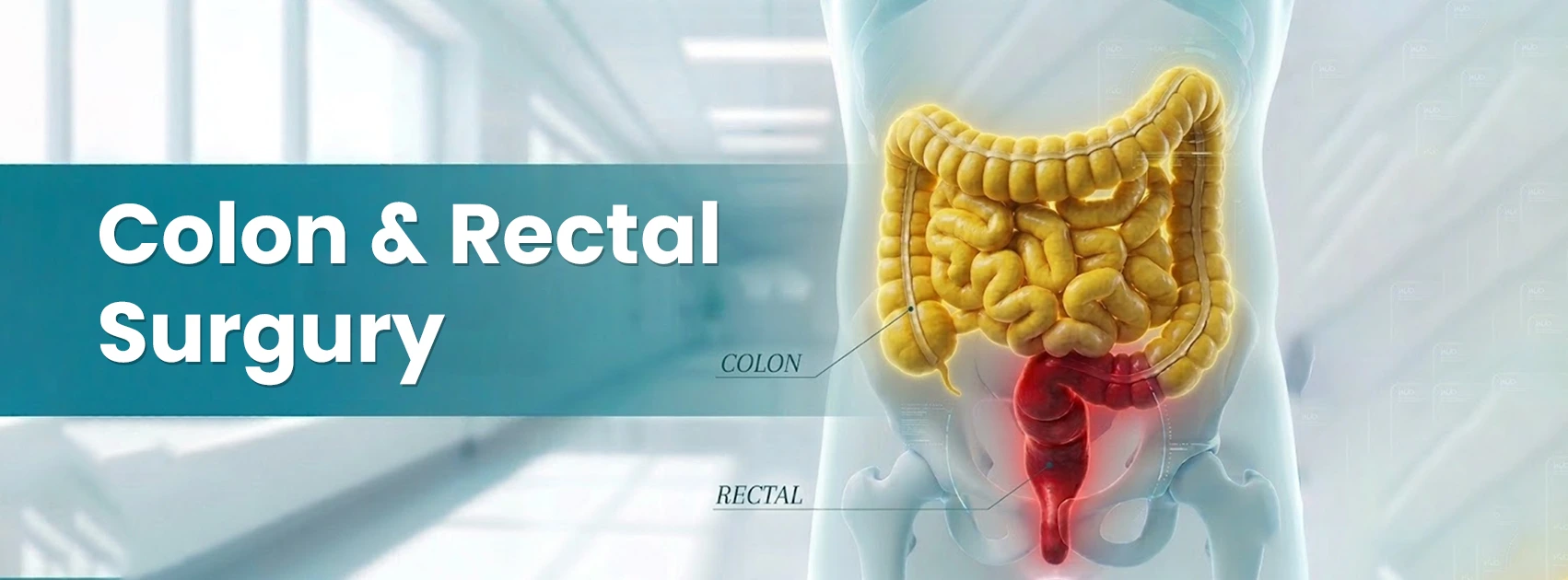
Colon and rectal diseases affect the large intestine, including the ascending, transverse, descending, and sigmoid colon, and can lead to serious conditions like colorectal cancer, polyps, and bowel disorders. Early detection and expert treatment are crucial for better outcomes.
Dr. Suddhasattwa Sen is a highly skilled and experienced colon & rectal surgeon in India, recognized for excellence in treating colorectal cancer, piles, fissure, fistula, and other rectal disorders. With years of clinical expertise, he is considered a trusted choice for patients seeking advanced colorectal surgery with high success rates.
He specializes in laparoscopic colon surgery and minimally invasive rectal procedures, ensuring less pain, faster recovery, and better outcomes. His approach focuses on accurate diagnosis using colonoscopy, biopsy, and advanced imaging, followed by personalized treatment plans for every patient.
Committed to evidence-based treatment and latest medical advancements, he provides world-class care for patients looking for the best colon cancer treatment and rectal surgery in India, combining expertise.
Dr. Suddhasattwa Sen is widely recognized as a leading colon & rectal surgeon in India, known for delivering excellent outcomes in colorectal cancer, large intestine cancer, piles, fissure, and fistula treatment. His precision-driven approach and advanced surgical expertise ensure successful results even in complex cases.
He specializes in laparoscopic and robotic colorectal surgery, offering minimally invasive treatment, faster recovery, and improved survival rates, including advanced-stage colorectal cancer. From accurate diagnosis using colonoscopy and biopsy to comprehensive surgical care, every treatment is tailored for optimal patient outcomes.
Equipped with modern technology and advanced medical facilities, his center provides affordable colorectal surgery in India with transparent pricing. Patients searching for the best colon cancer treatment, colonoscopy, and rectal surgery can rely on his expertise, innovation, and commitment to high-quality gastrointestinal care.
Dr. Suddhasattwa Sen is known for his advanced expertise in colon & rectal surgery and colorectal cancer treatment in India, offering effective solutions for conditions like colon cancer, rectal cancer, piles, fissure, fistula, and IBD. His commitment to innovation and patient-centered care makes him a trusted choice for complex gastrointestinal treatments.
His center provides comprehensive colorectal cancer treatment, including stage 3 & stage 4 colon cancer treatment, using a combination of advanced laparoscopic/robotic surgery, chemotherapy, and modern therapies. Patients receive personalized treatment plans designed to improve survival rates and recovery outcomes.
With a focus on latest medical advancements, clear patient guidance, and evidence-based care, he ensures patients understand every step of their treatment journey. For those searching for the best colon cancer treatment, colorectal surgery, and advanced rectal care in India, his approach delivers high-quality, affordable, and result-driven care.
Colon and rectal diseases affect the large intestine, including the ascending, transverse, descending, and sigmoid colon, and can lead to serious conditions like colorectal cancer, polyps, and bowel disorders. Early detection and expert treatment are crucial for better outcomes.
Colon and rectal diseases affect the large intestine, including the ascending, transverse, descending, and sigmoid colon, and can lead to serious conditions like colorectal cancer, polyps, and bowel disorders. Early detection and expert treatment are crucial for better outcomes.
Locations
Colon and rectal diseases can develop in different parts of the large intestine, including the ascending colon, transverse colon, descending colon, sigmoid colon, and rectum. Common conditions such as colon cancer, rectal cancer, piles, fissures, and fistula vary based on their location, which plays a crucial role in deciding the most effective treatment approach and surgical outcomes.
Advanced techniques like laparoscopic colorectal surgery ensure precise treatment, faster recovery, and improved patient prognosis, especially when diagnosed early by an experienced specialist.
Tests
Colonoscopy and biopsy are essential diagnostic procedures for the early detection of colon cancer and colorectal diseases. A colonoscopy test uses a flexible camera-equipped tube to examine the colon and rectum, helping identify abnormalities like polyps, tumors, or inflammation. A biopsy test for colon cancer involves collecting tissue samples for detailed laboratory analysis to confirm the presence of cancer cells.
These advanced diagnostic methods play a crucial role in early diagnosis of colon cancer, enabling timely colorectal cancer treatment, improving survival rates, and ensuring better patient outcomes.
Causes
- Family history of colon cancer – Higher risk if a close relative is affected
- Personal history of colon polyps or colorectal cancer
- Genetic mutations – Conditions like Lynch syndrome and Familial Adenomatous Polyposis (FAP)
- Age factor – Risk of colon cancer increases after 50 years
- Inflammatory bowel disease (IBD) – Including ulcerative colitis and Crohn’s disease
- Unhealthy lifestyle – High intake of red/processed meat, low-fiber diet, obesity, smoking, sedentary habits
- Type 2 diabetes & insulin resistance
- Previous radiation therapy exposure
- Ethnicity-related risk factors
- Environmental exposure – Contact with harmful chemicals and pollutants
Understanding these colon cancer risk factors helps in early detection, prevention, and timely colorectal cancer screening, improving overall treatment outcomes.
Symptoms
- Persistent changes in bowel habits – diarrhea, constipation, or narrow stools
- Blood in stool (rectal bleeding) – a key sign of colon cancer symptoms
- Abdominal pain or cramping – discomfort, bloating, or gas
- Unexplained weight loss and loss of appetite
- Chronic fatigue and weakness – often linked to hidden blood loss
- Feeling of incomplete bowel movement
- Iron deficiency anemia due to slow internal bleeding
- Mucus in stool or unusual stool consistency
Early recognition of these symptoms of colon cancer is crucial for early diagnosis and colorectal cancer treatment, leading to better recovery and survival outcomes.
Stages
- Stages of Colon Cancer & Colorectal Cancer Progression
- Stage 0 (Carcinoma in situ) – Early-stage colon cancer confined to the inner lining of the colon
- Stage I colon cancer – Cancer has grown into the deeper layers of the colon wall
- Stage II colon cancer – Tumor has spread through the colon wall and may involve nearby tissues
- Stage III colon cancer – Cancer has spread to nearby lymph nodes but not distant organs
- Stage IV colon cancer (Metastatic colon cancer) – Cancer has spread to distant organs like liver or lungs
Understanding the stages of colorectal cancer is essential for choosing the right colon cancer treatment options, including surgery, chemotherapy, and targeted therapy, improving survival rates and patient outcomes.
Staging
CT Scan (Computed Tomography Scan) – A highly effective, non-invasive imaging test for colon cancer staging that provides detailed cross-sectional images of the colon, abdomen, and pelvis. It helps detect tumors, lymph node involvement, and cancer spread (metastasis), making it essential for accurate colorectal cancer diagnosis and treatment planning.
Treatment
- Colon Cancer Treatment Options & Advanced Colorectal Care
- Surgery for colon cancer – Removal of the cancerous part of the colon (colectomy), often performed using minimally invasive laparoscopic surgery for faster recovery
- Chemotherapy for colorectal cancer – Use of powerful anti-cancer drugs to destroy cancer cells and reduce recurrence risk
- Radiation therapy for rectal cancer – High-energy radiation used to shrink tumors and eliminate cancer cells
- Targeted therapy for colon cancer – Advanced drugs that specifically attack cancer cells while minimizing damage to healthy tissues
- Immunotherapy for colorectal cancer – Enhances the body’s immune system to recognize and fight cancer effectively
- Palliative care in advanced colon cancer – Focuses on pain relief, symptom management, and improving quality of life
Comprehensive colon cancer treatment depends on the stage and location of the disease, ensuring personalized care and improved survival outcomes.
Colon and rectal diseases can develop in different parts of the large intestine, including the ascending colon, transverse colon, descending colon, sigmoid colon, and rectum. Common conditions such as colon cancer, rectal cancer, piles, fissures, and fistula vary based on their location, which plays a crucial role in deciding the most effective treatment approach and surgical outcomes.
Advanced techniques like laparoscopic colorectal surgery ensure precise treatment, faster recovery, and improved patient prognosis, especially when diagnosed early by an experienced specialist.
Colonoscopy and biopsy are essential diagnostic procedures for the early detection of colon cancer and colorectal diseases. A colonoscopy test uses a flexible camera-equipped tube to examine the colon and rectum, helping identify abnormalities like polyps, tumors, or inflammation. A biopsy test for colon cancer involves collecting tissue samples for detailed laboratory analysis to confirm the presence of cancer cells.
These advanced diagnostic methods play a crucial role in early diagnosis of colon cancer, enabling timely colorectal cancer treatment, improving survival rates, and ensuring better patient outcomes.
- Family history of colon cancer – Higher risk if a close relative is affected
- Personal history of colon polyps or colorectal cancer
- Genetic mutations – Conditions like Lynch syndrome and Familial Adenomatous Polyposis (FAP)
- Age factor – Risk of colon cancer increases after 50 years
- Inflammatory bowel disease (IBD) – Including ulcerative colitis and Crohn’s disease
- Unhealthy lifestyle – High intake of red/processed meat, low-fiber diet, obesity, smoking, sedentary habits
- Type 2 diabetes & insulin resistance
- Previous radiation therapy exposure
- Ethnicity-related risk factors
- Environmental exposure – Contact with harmful chemicals and pollutants
Understanding these colon cancer risk factors helps in early detection, prevention, and timely colorectal cancer screening, improving overall treatment outcomes.
- Persistent changes in bowel habits – diarrhea, constipation, or narrow stools
- Blood in stool (rectal bleeding) – a key sign of colon cancer symptoms
- Abdominal pain or cramping – discomfort, bloating, or gas
- Unexplained weight loss and loss of appetite
- Chronic fatigue and weakness – often linked to hidden blood loss
- Feeling of incomplete bowel movement
- Iron deficiency anemia due to slow internal bleeding
- Mucus in stool or unusual stool consistency
Early recognition of these symptoms of colon cancer is crucial for early diagnosis and colorectal cancer treatment, leading to better recovery and survival outcomes.
- Stages of Colon Cancer & Colorectal Cancer Progression
- Stage 0 (Carcinoma in situ) – Early-stage colon cancer confined to the inner lining of the colon
- Stage I colon cancer – Cancer has grown into the deeper layers of the colon wall
- Stage II colon cancer – Tumor has spread through the colon wall and may involve nearby tissues
- Stage III colon cancer – Cancer has spread to nearby lymph nodes but not distant organs
- Stage IV colon cancer (Metastatic colon cancer) – Cancer has spread to distant organs like liver or lungs
Understanding the stages of colorectal cancer is essential for choosing the right colon cancer treatment options, including surgery, chemotherapy, and targeted therapy, improving survival rates and patient outcomes.
CT Scan (Computed Tomography Scan) – A highly effective, non-invasive imaging test for colon cancer staging that provides detailed cross-sectional images of the colon, abdomen, and pelvis. It helps detect tumors, lymph node involvement, and cancer spread (metastasis), making it essential for accurate colorectal cancer diagnosis and treatment planning.
- Colon Cancer Treatment Options & Advanced Colorectal Care
- Surgery for colon cancer – Removal of the cancerous part of the colon (colectomy), often performed using minimally invasive laparoscopic surgery for faster recovery
- Chemotherapy for colorectal cancer – Use of powerful anti-cancer drugs to destroy cancer cells and reduce recurrence risk
- Radiation therapy for rectal cancer – High-energy radiation used to shrink tumors and eliminate cancer cells
- Targeted therapy for colon cancer – Advanced drugs that specifically attack cancer cells while minimizing damage to healthy tissues
- Immunotherapy for colorectal cancer – Enhances the body’s immune system to recognize and fight cancer effectively
- Palliative care in advanced colon cancer – Focuses on pain relief, symptom management, and improving quality of life
Comprehensive colon cancer treatment depends on the stage and location of the disease, ensuring personalized care and improved survival outcomes.