Dr.Suddhasattwa Sen – Advanced Cancer Surgery Specialist in Kolkata

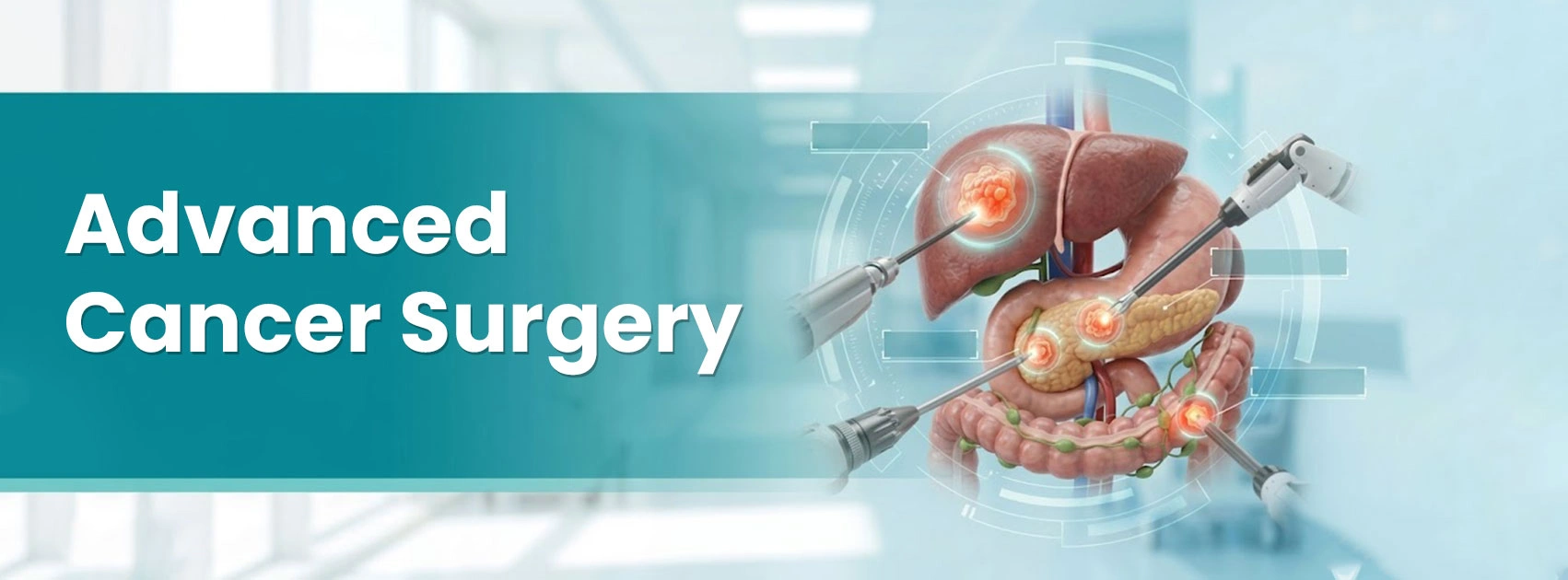
Advanced cancer surgery is a modern treatment approach that uses minimally invasive and precision-based techniques to remove cancerous tumors. It offers benefits like faster recovery, reduced pain, and improved survival rates. This type of surgery is commonly used for colorectal, stomach, liver, and other complex cancers and is often combined with chemotherapy or radiation therapy for best results.

Cancer treatment has evolved rapidly with the integration of advanced surgical technologies, transforming outcomes for patients. Dr. Suddhasattwa Sen is a highly skilled and reputed cancer surgeon in Kolkata, specializing in advanced cancer surgery for colorectal and gastrointestinal cancers. With extensive clinical experience and expertise in modern surgical techniques, he is recognized for delivering precise, effective, and patient-focused cancer care using minimally invasive and advanced surgical approaches.

Why Patients Trust Dr. Suddhasattwa Sen

  • 31+ years of surgical experience
  • Gold Medalist academic background
  • Advanced expertise in GI Cancer , Hepatobiliary pancreatic , Colorectal , Anorectal , Upper GI , Liver and Hernia surgeon
  • Trusted for liver tumour, liver cancer, and liver cyst treatment
  • Patient-focused consultation and treatment planning
  • Experienced in complex hepatobiliary conditions
  • Credited with multiple unique and record cases across liver, hepatobiliary, pancreatic, colorectal, stomach, anorectal, GI, and cancer surgeries.
  • Successfully handled complex and world-record cases using open and minimally invasive (laparoscopic) techniques.
  • Expertise in managing highly challenging and rare surgical conditions.
  • Strong proponent of bloodless and ICU-less surgeries for faster recovery.
  • Focus on cost-effective treatment approaches that reduce overall patient expenses.

Dr. Suddhasattwa Sen’s Expertise in Advanced Cancer Surgery

Dr.Suddhasattwa Sen is a highly respected and experienced specialist in advanced cancer surgery in Kolkata, with over 31+ years of clinical excellence in managing complex gastrointestinal and colorectal cancers. He has earned a strong reputation as one of the best cancer surgeons in Kolkata, known for his precision-driven approach and consistently successful outcomes in colon cancer surgery, rectal cancer surgery, and GI cancer treatment.

With extensive experience in treating both early-stage and advanced malignancies, Dr.Sen focuses on complete tumor removal with lymph node dissection, ensuring optimal cancer control and reduced recurrence rates. His expertise extends to handling high-risk and complicated cancer cases using minimally invasive and advanced surgical techniques, making him a trusted choice for patients seeking advanced cancer treatment in India.

He remains committed to evidence-based medicine, continuously updating his skills with the latest advancements in laparoscopic cancer surgery, minimally invasive oncology procedures, and precision cancer care, ensuring that patients receive world-class treatment standards.

Advanced cancer surgery involves the use of cutting-edge surgical techniques that improve precision, reduce complications, and enhance recovery. Dr. Suddhasattwa Sen specializes in a wide range of modern cancer surgery techniques, designed to deliver the best possible outcomes for patients.

These include:

  • Minimally Invasive Cancer Surgery (Laparoscopic Surgery) – Smaller incisions, reduced pain, faster recovery, and shorter hospital stay.
  • Precision Tumor Removal Surgery – Accurate excision of cancerous tissue while preserving healthy organs.
  • Organ-Preserving Cancer Surgery – Maintains normal body function wherever possible.
  • Advanced Lymph Node Dissection – Essential for proper cancer staging and prevention of disease spread.
  • Multimodal Cancer Treatment Approach – Integration with chemotherapy, radiation therapy, targeted therapy, and immunotherapy.

These advanced techniques make treatment safer and more effective, positioning Dr.Sen among leading experts in minimally invasive cancer surgery and advanced colorectal cancer treatment in Kolkata.

Dr.Suddhasattwa Sen is a highly respected and experienced specialist in advanced cancer surgery in Kolkata, with over 31+ years of clinical excellence in managing complex gastrointestinal and colorectal cancers. He has earned a strong reputation as one of the best cancer surgeons in Kolkata, known for his precision-driven approach and consistently successful outcomes in colon cancer surgery, rectal cancer surgery, and GI cancer treatment.

With extensive experience in treating both early-stage and advanced malignancies, Dr.Sen focuses on complete tumor removal with lymph node dissection, ensuring optimal cancer control and reduced recurrence rates. His expertise extends to handling high-risk and complicated cancer cases using minimally invasive and advanced surgical techniques, making him a trusted choice for patients seeking advanced cancer treatment in India.

He remains committed to evidence-based medicine, continuously updating his skills with the latest advancements in laparoscopic cancer surgery, minimally invasive oncology procedures, and precision cancer care, ensuring that patients receive world-class treatment standards.

Advanced cancer surgery involves the use of cutting-edge surgical techniques that improve precision, reduce complications, and enhance recovery. Dr. Suddhasattwa Sen specializes in a wide range of modern cancer surgery techniques, designed to deliver the best possible outcomes for patients.

These include:

  • Minimally Invasive Cancer Surgery (Laparoscopic Surgery) – Smaller incisions, reduced pain, faster recovery, and shorter hospital stay.
  • Precision Tumor Removal Surgery – Accurate excision of cancerous tissue while preserving healthy organs.
  • Organ-Preserving Cancer Surgery – Maintains normal body function wherever possible.
  • Advanced Lymph Node Dissection – Essential for proper cancer staging and prevention of disease spread.
  • Multimodal Cancer Treatment Approach – Integration with chemotherapy, radiation therapy, targeted therapy, and immunotherapy.

These advanced techniques make treatment safer and more effective, positioning Dr.Sen among leading experts in minimally invasive cancer surgery and advanced colorectal cancer treatment in Kolkata.

Dr.Sen and his team prioritize clear communication and patient education, ensuring that individuals fully understand their diagnosis and available treatment options. Known for delivering some of the most advanced cancer treatments in Kolkata, he emphasizes personalized care plans, precision-based surgery, and the latest therapeutic techniques to provide safe, effective, and patient-centric cancer care.

Locations

Malignant surgery focuses on the removal of cancerous tumors from the colon and rectum, along with surrounding tissues and lymph nodes to prevent the spread of disease. The type of surgical procedure—such as hemicolectomy, colectomy, or rectal resection—depends on the location, size, and stage of the tumor. Advanced techniques like laparoscopic and robotic-assisted surgery help ensure precise tumor removal, faster recovery, and improved patient outcomes.

Tests

Malignant surgery is a primary treatment approach used to effectively remove cancerous tumors from the colon and rectum. During the procedure, the affected segment along with nearby lymph nodes is carefully excised to prevent further spread of cancer cells. Advanced surgical techniques, including minimally invasive laparoscopic and robotic-assisted methods, allow for precise tumor removal, reduced complications, and faster recovery. This approach plays a crucial role in improving survival rates and ensuring better long-term outcomes for patients.

Causes
  • Tumor location (Determines the type of surgery such as colectomy or rectal resection)
  • Cancer stage (Early or advanced stage decides surgical approach and outcomes)
  • Lymph node involvement (Requires removal to prevent cancer spread)
  • Patient’s overall health (Fitness for anesthesia and recovery plays a key role)
  • Tumor size and spread (Impacts extent of tissue removal during surgery)
  • Surgical technique (Open, laparoscopic, or robotic-assisted methods)
  • Risk of metastasis (May require combined treatment with chemotherapy or radiation)
  • Possibility of stoma (Temporary or permanent colostomy in certain cases)
  • Post-surgical recovery (Healing time, complications, and follow-up care)
  • Multidisciplinary approach (Coordination with oncology for comprehensive cancer care)
Symptoms
  • Complete removal of cancerous tumor
  • Removal of affected colon or rectal segment
  • Lymph node dissection to prevent spread
  • Preservation of normal bowel function (when possible)
  • Use of minimally invasive techniques (laparoscopic/robotic)
  • Reduced risk of cancer recurrence
  • Faster recovery and shorter hospital stay
  • Lower post-operative complications
  • Improved quality of life after surgery
  • Integration with chemotherapy or radiation when required
Stages

Stages

  • Stage 0: Cancer confined to the inner lining, often treated with local excision or minimally invasive surgery.
  • Stage I: Tumor involves deeper layers, managed with segmental resection of the affected colon or rectum.
  • Stage II: Cancer extends through the wall, requiring advanced surgical removal with clear margins.
  • Stage III: Lymph node involvement present, surgery combined with chemotherapy is recommended.
  • Stage IV: Cancer spread to distant organs, surgery may be combined with systemic therapies for disease control.
Staging

Staging and evaluation for malignant colorectal surgery are as follows:

  • CT scan: A CT scan, or computed tomography scan, is a non-invasive imaging test that provides detailed cross-sectional images of the abdomen and pelvis. It helps surgeons assess the size of the tumor, lymph node involvement, and spread to nearby or distant organs, enabling precise surgical planning and treatment strategy.
Treatment

Treatment options for malignant colorectal cancer include:

  • Surgery: Removal of the tumor along with affected colon or rectal segment and nearby lymph nodes.
  • Chemotherapy: Used before or after surgery to destroy remaining cancer cells.
  • Radiation therapy: Commonly used in rectal cancer to shrink tumors before surgery.
  • Targeted therapy: Drugs that specifically attack cancer cell growth pathways.
  • Immunotherapy: Enhances the body’s immune response against cancer cells.
  • Multidisciplinary care: Combination of surgical and advanced therapies for better outcomes.

Malignant surgery focuses on the removal of cancerous tumors from the colon and rectum, along with surrounding tissues and lymph nodes to prevent the spread of disease. The type of surgical procedure—such as hemicolectomy, colectomy, or rectal resection—depends on the location, size, and stage of the tumor. Advanced techniques like laparoscopic and robotic-assisted surgery help ensure precise tumor removal, faster recovery, and improved patient outcomes.

Malignant surgery is a primary treatment approach used to effectively remove cancerous tumors from the colon and rectum. During the procedure, the affected segment along with nearby lymph nodes is carefully excised to prevent further spread of cancer cells. Advanced surgical techniques, including minimally invasive laparoscopic and robotic-assisted methods, allow for precise tumor removal, reduced complications, and faster recovery. This approach plays a crucial role in improving survival rates and ensuring better long-term outcomes for patients.

  • Tumor location (Determines the type of surgery such as colectomy or rectal resection)
  • Cancer stage (Early or advanced stage decides surgical approach and outcomes)
  • Lymph node involvement (Requires removal to prevent cancer spread)
  • Patient’s overall health (Fitness for anesthesia and recovery plays a key role)
  • Tumor size and spread (Impacts extent of tissue removal during surgery)
  • Surgical technique (Open, laparoscopic, or robotic-assisted methods)
  • Risk of metastasis (May require combined treatment with chemotherapy or radiation)
  • Possibility of stoma (Temporary or permanent colostomy in certain cases)
  • Post-surgical recovery (Healing time, complications, and follow-up care)
  • Multidisciplinary approach (Coordination with oncology for comprehensive cancer care)

  • Complete removal of cancerous tumor
  • Removal of affected colon or rectal segment
  • Lymph node dissection to prevent spread
  • Preservation of normal bowel function (when possible)
  • Use of minimally invasive techniques (laparoscopic/robotic)
  • Reduced risk of cancer recurrence
  • Faster recovery and shorter hospital stay
  • Lower post-operative complications
  • Improved quality of life after surgery
  • Integration with chemotherapy or radiation when required

Stages

  • Stage 0: Cancer confined to the inner lining, often treated with local excision or minimally invasive surgery.
  • Stage I: Tumor involves deeper layers, managed with segmental resection of the affected colon or rectum.
  • Stage II: Cancer extends through the wall, requiring advanced surgical removal with clear margins.
  • Stage III: Lymph node involvement present, surgery combined with chemotherapy is recommended.
  • Stage IV: Cancer spread to distant organs, surgery may be combined with systemic therapies for disease control.

Staging and evaluation for malignant colorectal surgery are as follows:

  • CT scan: A CT scan, or computed tomography scan, is a non-invasive imaging test that provides detailed cross-sectional images of the abdomen and pelvis. It helps surgeons assess the size of the tumor, lymph node involvement, and spread to nearby or distant organs, enabling precise surgical planning and treatment strategy.

Treatment options for malignant colorectal cancer include:

  • Surgery: Removal of the tumor along with affected colon or rectal segment and nearby lymph nodes.
  • Chemotherapy: Used before or after surgery to destroy remaining cancer cells.
  • Radiation therapy: Commonly used in rectal cancer to shrink tumors before surgery.
  • Targeted therapy: Drugs that specifically attack cancer cell growth pathways.
  • Immunotherapy: Enhances the body’s immune response against cancer cells.
  • Multidisciplinary care: Combination of surgical and advanced therapies for better outcomes.

Surgical Excellence

Dr. Suddhasattwa Sen is known for delivering exceptional outcomes in advanced cancer surgery, combining surgical expertise with compassionate patient care.

His approach focuses on personalized treatment planning, where every patient receives a tailored strategy based on cancer stage, tumor location, and overall health condition.

He has successfully performed numerous complex procedures, including colectomy, hemicolectomy, rectal cancer surgery (LAR & APR), and advanced gastrointestinal tumor resections, achieving high success rates and improved quality of life for patients.

  • ✔ High success rate in complex cancer surgeries
  • ✔ Focus on minimally invasive and safe surgical practices
  • ✔ Faster recovery and reduced complications
  • ✔ Comprehensive pre- and post-operative care
  • ✔ Collaboration with multidisciplinary oncology teams

With a strong emphasis on patient safety, advanced technology, and long-term outcomes, Dr.Sen is widely regarded as a leading expert in advanced cancer surgery and colorectal cancer treatment in Kolkata.

What Makes Dr. Suddhasattwa Sen the Best Advanced Cancer Surgeon?

In the field of advanced oncological surgery for managing complex and high-risk cancer cases, Dr. Suddhasattwa Sen stands out as a leading expert in the field.

With his exceptional surgical precision and deep expertise in modern oncological procedures, he has transformed the way cancer is treated through advanced surgical techniques.

Dr.Sen’s dedication to delivering superior patient outcomes, combined with his use of minimally invasive and evidence-based cancer treatments, has earned him a strong reputation as one of the most trusted advanced cancer surgeons.

+ Surgical Expertise

Unmatched Expertise in Advanced Cancer Surgery: Dr. Suddhasattwa Sen is recognized as one of the best advanced cancer surgeons, offering world-class expertise in surgical oncology and complex cancer treatment.

His precision-driven surgical approach ensures complete tumor removal while preserving healthy tissues, leading to improved patient outcomes and long-term survival.

+ Personalized Treatment

Customized Cancer Treatment Plans for Better Outcomes: Every cancer case is unique, which is why Dr.Sen focuses on personalized cancer treatment plans based on cancer type, stage, and patient health.

He integrates surgery with chemotherapy, radiation therapy, and targeted therapy when required, ensuring higher success rates in cancer surgery.

+ Advanced Techniques

Minimally Invasive & Cutting-Edge Cancer Surgery: Dr.Sen utilizes the latest minimally invasive cancer surgery techniques, including laparoscopic and advanced oncological procedures.

These techniques offer less postoperative pain, smaller incisions, reduced blood loss, and faster recovery.

+ Improved Outcomes

Higher Survival Rates & Faster Recovery: Advanced surgical oncology techniques provide comparable survival outcomes to traditional surgery while improving recovery time.

Dr.Sen ensures better cancer survival rates, lower recurrence risk, and enhanced quality of life.

+ Multidisciplinary Care

Comprehensive Cancer Care Under One Roof: Dr.Sen collaborates with a team of experts to provide complete cancer care, from diagnosis to post-surgical recovery.

This holistic approach ensures maximum effectiveness and long-term support.

Frequently Asked Questions About Advanced Cancer Surgery

What is Advanced Cancer Surgery?

Advanced cancer surgery is a specialized medical procedure used to remove tumors using modern surgical techniques like minimally invasive surgery, laparoscopic surgery, and robotic-assisted surgery. It is designed to improve precision, reduce complications, and enhance recovery in cancer patients.

Who needs Advanced Cancer Surgery?

Patients diagnosed with early-stage to advanced-stage cancers, including colorectal cancer, stomach cancer, liver cancer, and gastrointestinal cancers, may require advanced cancer surgery as part of their treatment plan.

Is Advanced Cancer Surgery safe?

Yes, advanced cancer surgery is considered safe when performed by an experienced surgical oncologist. It offers benefits such as less pain, minimal blood loss, shorter hospital stay, and faster recovery compared to traditional open surgery.

What are the benefits of minimally invasive cancer surgery?

Minimally invasive cancer surgery provides several advantages:

  • Smaller incisions and less scarring
  • Faster recovery time
  • Reduced risk of infection
  • Shorter hospital stay
  • Better quality of life after surgery

How long does it take to recover from cancer surgery?

Recovery time depends on the type of cancer and surgical procedure. However, with advanced and minimally invasive techniques, most patients recover faster, often within 2–4 weeks, compared to longer recovery in traditional surgery.

What is the cost of advanced cancer surgery in India?

The cost of advanced cancer treatment in India varies depending on the type of surgery, hospital, and patient condition. India is known for offering affordable yet high-quality cancer treatment compared to many other countries.

Who is the best doctor for advanced cancer surgery?

Choosing the best cancer surgeon in India/Kolkata depends on experience, specialization, and success rates. Patients should look for a qualified surgical oncologist with expertise in advanced and minimally invasive cancer procedures.

What is the success rate of advanced cancer surgery?

The success rate of advanced cancer surgery depends on the type, stage, and location of the cancer, as well as the patient’s overall health. In early-stage cancers, surgery can offer high success and long-term survival rates, while in advanced stages, it helps in tumor removal, symptom relief, and improving quality of life. With modern minimally invasive and precision-based techniques, outcomes have significantly improved.

Which cancers can be treated with minimally invasive surgery?

Minimally invasive cancer surgery is commonly used for treating cancers such as colorectal cancer, stomach cancer, liver cancer, pancreatic cancer, esophageal cancer, and certain gynecological cancers. These advanced techniques allow surgeons to operate with greater precision, smaller incisions, and faster recovery.

Is robotic cancer surgery better than traditional surgery?

Robotic cancer surgery offers several advantages over traditional open surgery, including enhanced precision, 3D visualization, minimal blood loss, and faster recovery. However, the best approach depends on the patient’s condition, cancer stage, and surgeon’s expertise. In many cases, robotic and minimally invasive techniques provide better outcomes and fewer complications.

How do I choose the best cancer surgeon in Kolkata/India?

To choose the best cancer surgeon in Kolkata or India, look for a qualified surgical oncologist with extensive experience in advanced cancer surgery and minimally invasive techniques. Consider factors such as success rates, hospital facilities, patient reviews, and multidisciplinary care approach before making a decision.

What are the risks of cancer surgery?

Like any major procedure, cancer surgery carries some risks, including infection, bleeding, anesthesia complications, and damage to nearby organs. However, with advanced surgical techniques, these risks are significantly reduced, and most patients recover safely under expert care.

Can cancer be completely cured with surgery?

Yes, cancer can be completely cured with surgery if it is detected at an early stage and the tumor is fully removed. In advanced stages, surgery is often combined with chemotherapy, radiation therapy, or targeted therapy to improve treatment effectiveness and reduce recurrence.

How long does a cancer operation take?

The duration of a cancer surgery varies depending on the complexity and type of cancer. It can take anywhere from 1 to 6 hours or more. Advanced and minimally invasive procedures may sometimes reduce operation time and improve recovery.

What is the difference between chemotherapy and cancer surgery?

Cancer surgery involves physically removing the tumor from the body, while chemotherapy uses drugs to kill or stop the growth of cancer cells. Surgery is often used for localized cancers, whereas chemotherapy is used for spreading or microscopic cancer cells. In many cases, both treatments are combined for the best results.

Book Consultation with Dr. Suddhasattwa Sen

Consult a Gold Medalist Advanced Cancer Surgery Specialist in Kolkata with 31+ years of experience for expert treatment of hernia, gallbladder disease, appendix problems, piles, fissure, fistula, and other general surgical conditions.